Categories
Culture, Society & Family Mind & Brain Technology Videos

Practicing assertiveness skills on virtual-reality “dates” may help women prevent sexual victimization

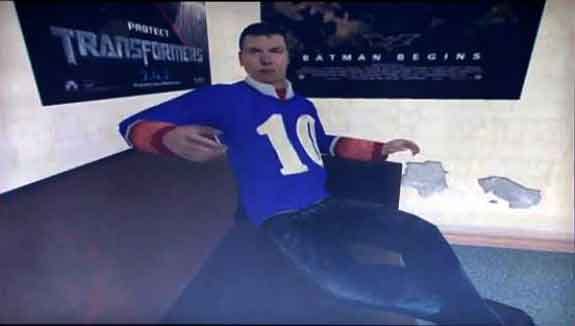
avatar-01-web.jpgIt’s a stormy night when a young man offers a young college woman a ride home. First he makes friendly small-talk. But then he becomes sexually aggressive and angry.

Can she get out of this situation without getting hurt?

While this could be a real experience for many women, in this case it’s virtual reality. The purpose is role-playing in a psychology laboratory at Southern Methodist University in Dallas.

Although realistic and scary, the role-playing is nevertheless a safe way to teach assertiveness skills to young women so they can resist sexual victimization, according to new research.

Read: “Can Virtual Reality Teach College Women Sexual Coercion and Rape-Resistance Skills
Read: “Extreme reality: Women avoid sexual assault in virtual zone

A pilot project in which women practiced assertiveness skills reduced sexual victimization considerably, say researchers Ernest Jouriles, Renee McDonald and Lorelei Simpson, psychologists in SMU’s Department of Psychology.

The researchers tracked participants in the assertiveness program over three months and found that women in a control group were sexually victimized at twice the rate of those who had practiced the skills.

New research in which women practice their newly learned skills on a virtual-reality “date” holds promise for making the program even stronger.

Jouriles, McDonald and Simpson will present the research in November at the annual conference of the Association for Behavioral and Cognitive Therapies.

Between 25 percent and 50 percent of American women will experience sexual coercion or sexual assault during their lifetime, according to the U.S. Department of Justice. Those in their teens and early 20s are at particularly high risk, research shows.

The toll on victims ranges from depression and anxiety to drug abuse, psychiatric symptoms and chronic medical conditions.

“Sexual assault prevention programs for young women are widely available,” says Jouriles, professor and chairman of the SMU Department of Psychology. “However, only a few have been scientifically evaluated. Although some of these programs have been shown to change young women’s knowledge and attitudes about sexual assault, they have not generally been shown to prevent actual assaults.”

mcdonald.jpg
SMU psychologists Ernest Jouriles and Renee McDonald.

Jouriles and McDonald designed the virtual reality program in collaboration with students and faculty at The Guildhall, SMU’s graduate-level video-game design program. They worked with Simpson to develop the assertiveness training program and are currently using the virtual-reality technology to enhance women’s practice experiences when they learn assertiveness skills.

To participate, a young woman wears a head-mounted display and earphones that allow her to navigate a make-believe sexually risky environment. It immerses her in a setting that feels genuinely threatening. She faces off against an avatar controlled by a live male actor, who delivers the dialogue and controls the speech and actions of the virtual date.

The department’s 10-foot-by-12-foot laboratory room is furnished with two adjoining bucket seats and a couch to replicate either the front seat of a car or a party setting.

Similar to a multi-player, interactive video game, the sophisticated head-mounted display streams computer-generated, 3D images. The perspective is first-person, which tracks and changes with the wearer’s head position. Earphones surround the wearer with the sounds of pounding rain and music from the car radio.

simpson.jpg
SMU psychologist Lorelei Simpson.

The woman experiences the make-believe environment from a seat next to the avatar. In a 10- to 12-minute role-play, the actor challenges the young woman’s assertiveness by gradually escalating the conversation from small-talk and flirtation to verbal sexual coercion and anger. The avatar’s lips move in sync with the actor’s speech, and his facial expressions and movements, such as changing the radio station and drinking beer, make the virtual interaction more natural.

Research by Jouriles and McDonald published in 2009 found that young women who practiced navigating the virtual reality environment had a stronger negative reaction to the sexual threat than did participants in conventional role-playing without virtual reality technology.

Although the study didn’t evaluate the reason for that difference, Jouriles and McDonald hypothesized that the virtual environment makes it easier for participants to become immersed in role-play. It’s possible that women in a conventional role-playing environment feel more self-conscious or that the situation is more artificial than women interacting with an avatar, which results in more guarded responses, they said.

McDonald is an associate professor. Simpson is an assistant professor.

Related links:
SMU Profile: Ernest Jouriles and Renee McDonald
Ernest Jouriles
Renee McDonald
Lorelei Simpson
SMU Department of Psychology
SMU Guildhall
Dedman College of Humanities and Sciences

Categories
Health & Medicine Mind & Brain Researcher news SMU In The News

USA TODAY: SMU’s Jasper Smits urges exercise Rx for anxiety, depression

Exercies%20for%20anxiety%2C%20swimmer%2C%20150.jpgUSA Today interviewed SMU’s Jasper Smits about his research indicating exercise offers effective relief for anxiety and depression.

In the article “Exercise to get rid of anxiety, and put on a happy face” published April 26, health columnist Kim Painter quotes Smits saying more therapists should prescribe exercise as an effective treatment.

Smits co-authored a book detailing how exercise can provide relief for people who struggle with depression and anxiety disorders.

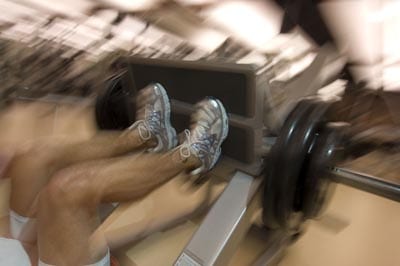
Exercise%20for%20anxiety%2C%20weights%2C%20400.jpgSmits and Michael Otto, psychology professor at Boston University, analyzed numerous studies and determined exercise should be more widely prescribed by mental health care providers.

They presented their findings to researchers and mental health care providers March 6 at the Anxiety Disorder Association of America’s annual conference in Baltimore. Their workshop was based on their therapist guide “Exercise for Mood and Anxiety Disorders,” with accompanying patient workbook (Oxford University Press, September 2009).

The guide draws on dozens of population-based studies, clinical studies and meta-analytic reviews that demonstrate the efficacy of exercise programs, including the authors’ meta-analysis of exercise interventions for mental health and study on reducing anxiety sensitivity with exercise.

EXCERPT:
By Kim Painter
USA TODAY

Most people seeking treatment for depression or anxiety face two choices: medication or psychotherapy. But there’s a third choice that is rarely prescribed, though it comes with few side effects, low costs and a list of added benefits, advocates say.

The treatment: exercise.

“It’s become clear that this is a good intervention, particularly for mild to moderate depression,” says Jasper Smits, a psychologist at Southern Methodist University in Dallas. Exercise as an anxiety treatment is less well-studied but looks helpful, he says.

It’s no secret that exercise often boosts mood: The runner’s high is legendary, and walkers, bikers, dancers and swimmers report their share of bliss.

Now, data pooled from many small studies suggest that in people diagnosed with depression or anxiety, the immediate mood boost is followed by longer-term relief, similar to that offered by medication and talk therapy, says Daniel Landers, a professor emeritus in the department of kinesiology at Arizona State University.

And exercise seems to work better than relaxation, meditation, stress education and music therapy, Landers says.

Read the full article

Related links:
Jasper Smits
SMU Anxiety Research and Treatment Program
Michael Otto
Book: “Exercise for Mood and Anxiety Disorders
Google books: “Exercise for Mood and Anxiety Disorders Workbook

Categories
Health & Medicine Mind & Brain

Study: Exercise should be prescribed more often for depression, anxiety

Exercise is a magic drug for many people with depression and anxiety disorders, according to researchers who analyzed numerous studies, and it should be more widely prescribed by mental health care providers.

“Exercise has been shown to have tremendous benefits for mental health,” says Jasper Smits, director of the Anxiety Research and Treatment Program at Southern Methodist University in Dallas. “The more therapists who are trained in exercise therapy, the better off patients will be.”

The traditional treatments of cognitive behavioral therapy and pharmacotherapy don’t reach everyone who needs them, says Smits, an associate professor of psychology.

“Exercise can fill the gap for people who can’t receive traditional therapies because of cost or lack of access, or who don’t want to because of the perceived social stigma associated with these treatments,” he says. “Exercise also can supplement traditional treatments, helping patients become more focused and engaged.”

Exercise%20for%20anxiety%2C%20weights%2C%20400.jpgSmits and Michael Otto, psychology professor at Boston University, presented their findings to researchers and mental health care providers March 6 at the Anxiety Disorder Association of America’s annual conference in Baltimore.

Their workshop was based on their therapist guide “Exercise for Mood and Anxiety Disorders,” with accompanying patient workbook (Oxford University Press, September 2009).

The guide draws on dozens of population-based studies, clinical studies and meta-analytic reviews that demonstrate the efficacy of exercise programs, including the authors’ meta-analysis of exercise interventions for mental health and study on reducing anxiety sensitivity with exercise.

“Individuals who exercise report fewer symptoms of anxiety and depression, and lower levels of stress and anger,” Smits says. “Exercise appears to affect, like an antidepressant, particular neurotransmitter systems in the brain, and it helps patients with depression re-establish positive behaviors. For patients with anxiety disorders, exercise reduces their fears of fear and related bodily sensations such as a racing heart and rapid breathing.”

Jasper%20Smits%20SMU%2C%20200.jpg
Jasper Smits

After patients have passed a health assessment, Smits says, they should work up to the public health dose, which is 150 minutes a week of moderate-intensity activity or 75 minutes a week of vigorous-intensity activity.

At a time when 40 percent of Americans are sedentary, he says, mental health care providers can serve as their patients’ exercise guides and motivators.

“Rather than emphasize the long-term health benefits of an exercise program — which can be difficult to sustain — we urge providers to focus with their patients on the immediate benefits,” he says. “After just 25 minutes, your mood improves, you are less stressed, you have more energy — and you’ll be motivated to exercise again tomorrow. A bad mood is no longer a barrier to exercise; it is the very reason to exercise.”

Smits says health care providers who prescribe exercise also must give their patients the tools they need to succeed, such as the daily schedules, problem-solving strategies and goal-setting featured in his guide for therapists.

“Therapists can help their patients take specific, achievable steps,” he says. “This isn’t about working out five times a week for the next year. It’s about exercising for 20 or 30 minutes and feeling better today.” — Sarah Hanan

Related links:
Jasper Smits
SMU Anxiety Research and Treatment Program
Michael Otto
Book: “Exercise for Mood and Anxiety Disorders
Google books: “Exercise for Mood and Anxiety Disorders Workbook

Categories
Culture, Society & Family Health & Medicine Mind & Brain Student researchers

Children’s sense of threat from parental fighting determines trauma symptoms

artist-dolls-fighting.jpgIf children feel threatened by even very low levels of violence between their parents, they may be at increased risk for developing trauma symptoms, new research suggests.
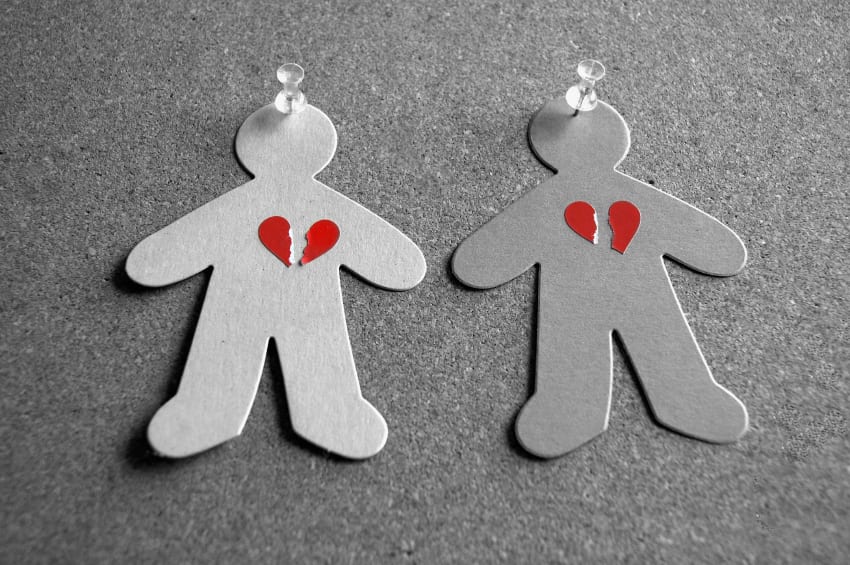
A study by psychologists at SMU found that children who witness violence between their mother and her intimate partner report fewer trauma symptoms if they don’t perceive the violence as threatening.

The research highlights the importance of assessing how threatened a child feels when his or her parents are violent toward one another, and how that sense of threat may be linked to symptoms of trauma.

Children’s perception of threat determines any trauma
“Our results indicated a relation between children’s perception of threat and their trauma symptoms in a community sample reporting relatively low levels of violence,” said Deborah Corbitt-Shindler, a doctoral candidate in the psychology department at SMU. “The results of the study suggest that even very low levels of violence, if interpreted as threatening by children, can influence the development of trauma symptoms in children.”

The researchers presented their findings February 24 at the “National Summit on Interpersonal Violence and Abuse Across the Lifespan: Forging a Shared Agenda” in Dallas. The scientific conference was sponsored by the National Partnership to End Interpersonal Violence Across the Lifespan.

iStock-paperdoll-hearts.jpgFamily violence experts estimate that more than half of children exposed to intimate partner violence experience trauma symptoms, such as bad dreams, nightmares and trying to forget about the fights.

SMU study surveyed Dallas area families
The SMU study of 532 children and their mothers looked at the link between intimate partner violence and trauma symptoms in children. The families were recruited from communities in the urban Dallas area. The National Institute of Mental Health funded the research.

In the study, mothers were asked to describe any violent arguments they’d had with their intimate partners, and they were asked about trauma symptoms they may have experienced because of the violence.

Similarly, the children in the study, age 7 to 10 years old, were asked to appraise how threatened they felt by the violence they witnessed, and about trauma symptoms they may have experienced because of the violence. The researchers defined “threat” as the extent to which children are concerned that: a family member might be harmed, the stability of the family is threatened, or a parent won’t be able to care for them.

Trauma: Nightmares, bad dreams, trying to forget
To assess trauma, children were asked questions such as if they’ve had bad dreams or nightmares about their mom’s and dad’s arguments or fights; if thoughts of the arguments or fights ever just pop into their mind; if they ever try to forget all about the arguments and fights; and if they ever wish they could turn off feelings that remind them of the arguments and fights.

The SMU researchers found that even when mothers reported an episode of intimate partner violence, their children reported fewer trauma symptoms when they didn’t view the episode as threatening. Although a mother’s emotions sometimes affect their children’s emotions, in this study the mothers’ trauma symptoms were unrelated to the children’s traumatic responses to the violence.

Corbitt-Shindler conducted the study in conjunction with her faculty advisers — Renee McDonald, associate professor, and Ernest Jouriles, professor and chair of the SMU Psychology Department. Additional co-authors of the study were SMU clinical psychology doctoral candidates Erica Rosentraub and Laura Minze; and Rachel Walker, SMU psychology department research assistant. — Margaret Allen

Related links:
SMU Family Research Center
SMU Psychology Department
Deborah Corbitt-Shindler
Renee McDonald
Ernest Jouriles

Categories
Health & Medicine Mind & Brain SMU In The News Student researchers

SMU’s Tart presents research linking antidepressants and obesity

CandyceTart%2Clorez.jpg
Candyce D. Tart

The research of Candyce D. Tart, a doctoral candidate in the SMU Psychology Department’s Anxiety Research and Treatment Program, was featured on Medscape.com.

Tart presented the research recently at the Anxiety Disorders Association of America 30th Annual Conference. Tart collaborated on the research with principal investigator Jitender Sareen M.D., associate professor and director of research in the Psychiatry Department at the University of Manitoba, Winnipeg, Canada.

More SMU Research

USGS funds Marianas research

Humans can run 40 mph?

Simulating the Big Bang

According to the Medscape.com article, the researchers “found that the obesity rate among individuals taking antidepressants during the past 12 months was 1.5 times greater compared with individuals not taking the medications. In addition, the obesity rate among subjects taking antipsychotics was more than double.”

The study relied on a large, nationally representative sample of 36,984 participants who were participants in the Canadian Community Health Survey Mental Health and Well-being.

Tart is quoted in the article as saying: “There are issues that haven’t really been addressed in a population that already is at risk for unhealthy behaviors, since the risk for obesity is added on top of their mental illness.”

Excerpt:

By Crina Frincu-Mallos, PhD
Medscape.com
March 8, 2010 (Baltimore, Maryland) — Psychotropic medications, specifically antidepressants and antipsychotics, are associated with higher rates of obesity, new national data suggest.

The research, presented here at the Anxiety Disorders Association of America 30th Annual Conference, shows that the obesity rate among individuals taking antidepressants during the past 12 months was 1.5 times greater compared with individuals not taking these medications. In addition, the obesity rate among subjects taking antipsychotics was more than double.

A collaboration between researchers from the United States and Canada, the study examined the relationship between obesity and specific classes of psychotropic medications, including antidepressants, antipsychotics, anxiolytics, hypnotics, and mood stabilizers, in a large, nationally representative sample of 36,984 participants.

Study subjects were participants in the Canadian Community Health Survey Mental Health and Well-being.

Read “Psychotropic Medications Linked to Increased Rates of Obesity at Medscape.com. Free registration is required to access the article.

Related links:
SMU Psychology Department’s Anxiety Research and Treatment Program