Categories
Mind & Brain Researcher news SMU In The News Technology

USA Today on SMU Guildhall study: Video game review scores influence consumers

A three-day study by The Guildhall at SMU and Electronic Entertainment Design and Research (EEDAR) found that video game review scores influence consumers, at least to an extent.

The behavioral study was designed to measure the influence professional critic reviews have on purchase behavior, willingness to recommend, and consumer perception of individual video game titles. The results reinforce the industry’s assumptions of a strong causal link between professional critic reviews and their ability to affect consumers” actions and perceptions, said the study’s designers.

“Video games are increasingly contributing to the overall health of the entertainment sector, so it’s crucial to understand behavior,” said Jesse Divnich, vice president of analyst services for EEDAR. “The study findings clearly indicate that properly leveraging game reviews to form a positive anchoring effect can dramatically increase consumer’s perception, adoption and willingness to recommend a game title.”

During the three-day study that took place at the SMU campus in late March, 188 participants were asked to play a 20 minute session of the game Plants vs. Zombies. Each participant was randomly placed into one of three groups and asked to read an informational packet about Plants vs. Zombies before playing. All the information within the packets was identical except that one packet had high critic reviews of the game, the second had low reviews of the game, and the third (control) group had no reviews of the game at all.

USA Today in the July 8 article “Survey says video game review scores affect consumer behaviors” quoted the makers of the game: “We’ve always known that good reviews are beneficial to a game’s sales, but we didn’t realize just how significant a role they play in the purchasing decision process,” said Garth Chouteau of PopCap Games, makers of Plants vs. Zombies, in a statement on the study.

EXCERPT:

Video game review scores influence consumers — to an extent, according to a new study by EEDAR (Electronic Entertainment Design and Research) and The Guidhall at SMU.

Those shown high review scores for the game Plants vs. Zombies before playing the game tended to give the game a lower score than the review scores afterwards. Those given lower review scores prior to playing the game responded by giving the game higher scores than those shown to them.

However, those shown the higher review scores were twice more likely to take a boxed copy of the game instead of $10 cash. They were also 40% more likely to recommend the game to a friend than the low review groups.

Read the full story

Categories
Culture, Society & Family Learning & Education Mind & Brain

Abusive mothers improve their parenting after home visits, classes and emotional support from therapists

Mothers who live in poverty and who have abused their children can stop if they are taught parenting skills and given emotional support.

A new study has found that mothers in families in which there is a history of child abuse and neglect were able to reduce how much they cursed at, yelled at, slapped, spanked, hit or rejected their children after a series of home visits from therapists who taught them parenting skills.

There were large improvements in mothers’ parenting in families that received the intensive services, compared to families that did not receive the services, according to SMU psychologists Ernest Jouriles and Renee McDonald at Southern Methodist University in Dallas, two of the study’s eight authors.

As a result of the intensive, hands-on training, the women in the study said they felt they did a better job managing their children’s behavior, said Jouriles and McDonald. The mothers also were observed to use better parenting strategies, and the families were less likely to be reported again for child abuse.

“Although there are many types of services for addressing child maltreatment, there is very little scientific data about whether the services actually work,” said McDonald. “This study adds to our scientific knowledge and shows that this type of service can actually work.”

Help for violent families
The parenting training is part of a program called Project Support, developed at the Family Research Center at SMU and designed to help children in severely violent families.

The study appears in the current issue of the quarterly Journal of Family Psychology. The article is titled “Improving Parenting in Families Referred for Child Maltreatment: A Randomized Controlled Trial Examining Effects of Project Support.” SMU psychologist David Rosenfield also authored the study.

The research was funded by the federal Interagency Consortium on Violence Against Women and Violence Within the Family, along with the Texas-based Hogg Foundation for Mental Health.

“Child maltreatment is such an important and costly problem in our society that it seems imperative to make sure that our efforts — and the tax dollars that pay for them — are actually solving the problem,” said Jouriles. He and McDonald are co-founders and co-directors of the SMU Family Research Center.

In 2007, U.S. child welfare agencies received more than 3 million reports of child abuse and neglect, totaling almost 6 million children, according to the U.S. Department of Health and Human Services.

Poor and single with children
The study worked with 35 families screened through the Texas child welfare agency Child Protective Services, CPS. The parents had abused or neglected their children at least once, but CPS determined it best the family stay together and receive services to improve parenting and end the maltreatment.

In all the families, the mother was legal guardian and primary caregiver and typically had three children. On average she was 28, single and had an annual income of $10,300. Children in the study ranged from 3 to 8 years old.

Half the families in the study received Project Support parenting education and support. The other half received CPS’s conventional services.

New parenting skills + help
Mental health service providers met with the 17 Project Support families weekly in their homes for up to 6 months.

During that time, mothers, and often their husbands or partners, were taught 12 specific skills, including how to pay attention and play with their children, how to listen and comfort them, how to offer praise and positive attention, how to give appropriate instructions and commands, and how to respond to misbehavior.

Also, therapists provided the mothers with emotional support and helped them access materials and resources through community agencies as needed, such as food banks and Medicaid. The therapists also helped mothers evaluate the adequacy and safety of the family’s living arrangements, the quality of their child-care arrangements and how to provide enough food with so little money.

Services provided to families receiving traditional child welfare services varied widely. The range of services included parenting classes at a church or agency, family therapy or individual counseling, videotaped parenting instruction, anger-management help, GED classes and contact by social workers in person or by phone.

Fewer recurrences of abuse
Only 5.9 percent of the families trained through Project Support were later referred to CPS for abuse, compared with almost 28 percent of the control group, the researchers found.

“The results of this study have important implications for the field of child maltreatment,” said SMU’s Rosenfield.

Project Support was launched in 1996 to address the mental health problems of maltreated children and children exposed to domestic violence, both of which often lead to considerable problems for children later in life, such as substance abuse, interpersonal violence and criminal activity. Previous studies have shown the program can improve children’s psychological adjustment as well as mothers’ ability to parent their children appropriately and effectively, according to the researchers.

Project Support: A promising practice
With funding from the U.S. Department of Justice’s Office of Juvenile Justice and Delinquency Prevention, Project Support has been included in a study evaluating 15 “promising practices” nationally for helping children who live in violent families.

Jouriles is professor and chairman of the SMU Psychology Department. McDonald and Rosenfield are associate professors.

Other researchers were William Norwood, University of Houston; Laura Spiller, Midwestern State University; Nanette Stephens, University of Texas; Deborah Corbitt-Shindler, SMU; and Miriam Ehrensaft, City University of New York.

SMU is a private university in Dallas where nearly 11,000 students benefit from the national opportunities and international reach of SMU’s seven degree-granting schools. For more information see www.smuresearch.com.


Categories
Culture, Society & Family Health & Medicine Mind & Brain

Mad? Sad? Glad? People with severe mental illness can’t easily “read” their partner’s feelings; but there may be help

For a healthy couple in a romantic relationship, getting along can be hard enough. But what if one person has been diagnosed with schizophrenia, bipolar disorder or major depression?

Adding severe mental illness into the mix can make it even harder to keep a relationship healthy, happy and satisfying, say psychologists Amy Pinkham and Lorelei Simpson, both assistant professors in the Department of Psychology at Southern Methodist University, Dallas.

A new research project by Pinkham and Simpson aims to understand how relationships function where one person has been diagnosed with a severe mental illness. Their study takes a close look at how couple relationships function when one partner has difficulties with the important social ability called “social cognition.”

Failure to understand emotional cues

simpson.jpg
Lorelei Simpson
pinkham2.jpg
Amy Pinkham

Social cognition is the ability to understand social information and accurately read and interpret another person’s feelings, to understand their perspective, and then respond appropriately.

Social cognition is commonly lacking or deficient in people with severe mental illness, say Pinkham and Simpson. For example, an ill individual may think their partner is angry when in fact the person is unhappy.

Understanding these deficits could lead to treatments to address social cognition deficits within relationships, say Pinkham and Simpson.

Pinkham and Simpson hope to develop programs for people with severe mental illness to help them improve the social skills critical for them to maintain a happy relationship.

“Understanding a partner’s viewpoint and emotions is key to many relationship skills,” says Simpson. “The social cognition deficits among people with severe mental illness may help explain their greater risk for relationship distress.”

More episodes of domestic abuse
People with severe mental illness tend to have more episodes of intimate partner violence and greater relationship discord, say Pinkham and Simpson. It’s possible that deficits in social cognition may play a role in these negative outcomes, they say.

Over the next few months, the researchers will recruit 60 couples from ethnically diverse backgrounds between the ages of 18 and 65. They will compare social cognition deficits and relationship functioning in couples in which one partner has a severe mental illness to couples in which neither partner has severe mental illness.

The researchers will assess the couples and analyze the data over the next 12 months. The Texas-based Hogg Foundation for Mental Health has awarded the psychologists a one-year, $15,000 grant to fund the study.

Study may provide treatment roadmap

More SMU Research

TIME: “Is exercise the best drug for depression?”

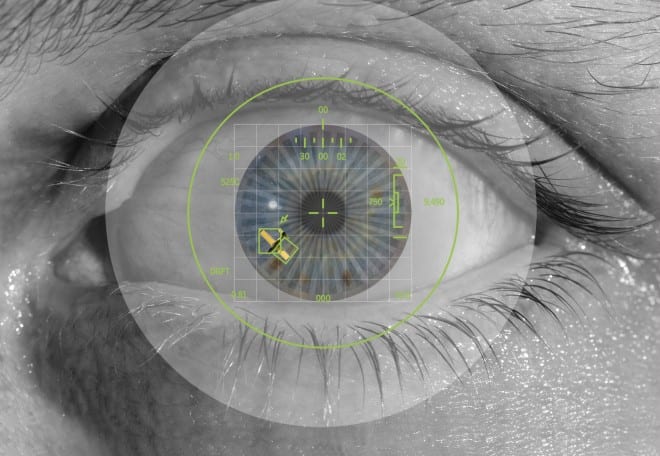
WIRED: “DARPA’s Beady-Eyed Camera Spots the ‘Non-Cooperative'”

London Times: “Should Oscar Pistorius be allowed to compete in the Olympics?”

Pinkham and Simpson say they expect to find that impairments in social cognition do detract from a couple’s efforts at a happy relationship.

They hope this initial study will improve understanding of the problems leading to relationship distress that are commonly seen in these couples.

They also expect that the study will lead to longitudinal and treatment studies that will enable them to develop recommendations for treatment and therapy that can help people with severe mental illness overcome the deficit.

“In the last five years, several treatment programs have been developed that show considerable promise for improving social cognitive abilities in individuals with a severe mental illness. If we find that social cognition does contribute to relationship satisfaction, we may be able to extend these same treatments to couples therapy,” says Pinkham.

Pinkham has expertise in social cognition and has investigated social cognitive impairments in people with severe mental illness for the past 10 years. Simpson’s expertise is with couple relationship functioning, couples therapy and couples facing severe mental illness.

About 6 percent of people in the United States suffer from serious mental illness, according to the National Institute of Mental Health.

Due to newer, more effective medications, as well as advances in behavioral therapy, more people with severe mental illness are able to function at higher levels, including maintaining long-term relationships like marriage, say the psychologists.

First study of its kind
However, the illness still takes a toll on people with severe mental illness and their relationships with others. Improving their ability to function is essential for better quality of life, say Pinkham and Simpson.

Over the past 20 years, researchers have studied severe mental illness and social cognitive impairment. But this will be the first study to examine the role of social cognition in how couple relationships function when one person has severe mental illness, say Pinkham and Simpson.

Much of the research on severe mental illness has focused on treating symptoms. But treating symptoms doesn’t necessarily give them skills by which to improve their relationships, say Pinkham and Simpson.

The Pinkham-Simpson study is one of 12 Texas research projects to receive funding from the Hogg Foundation, which was founded to promote improved mental health for Texans.

“Academic research is an important tool in our quest to understand the complexities of mental health,” said Octavio N. Martinez Jr., executive director of the foundation in announcing the awards. “The Hogg Foundation selected these projects because they address issues that profoundly affect people’s lives.”

Related links:
Amy Pinkham
Lorelei Simpson
SMU Department of Psychology
Hogg Foundation for Mental Health

Categories
Health & Medicine Mind & Brain Researcher news SMU In The News

TIME magazine: SMU’s Jasper Smits says exercise can help alleviate anxiety, depression

logoTimeSpecials.pngExercise is a great way to alleviate anxiety and depression, according to a new article in TIME magazine that features the research of SMU psychologist Jasper Smits.

Exercise is free and has no side effects, says the June 19 article “Is Exercise the Best Drug for Depression?” by Laura Blue. “Compare that with antidepressant drugs, which cost Americans $10 billion each year and have many common side effects: sleep disturbances, nausea, tremors, changes in body weight,” writes Blue.

Smits has said that more therapists should prescribe exercise as an effective treatment. He co-authored a book detailing how exercise can provide relief for people who struggle with depression and anxiety disorders.

Smits and Michael Otto, psychology professor at Boston University, analyzed numerous studies and determined exercise should be more widely prescribed by mental health care providers.

They presented their findings to researchers and mental health care providers March 6 at the Anxiety Disorder Association of America’s annual conference in Baltimore. Their workshop was based on their therapist guide “Exercise for Mood and Anxiety Disorders,” with accompanying patient workbook (Oxford University Press, September 2009).

The guide draws on dozens of population-based studies, clinical studies and meta-analytic reviews that demonstrate the efficacy of exercise programs, including the authors’ meta-analysis of exercise interventions for mental health and study on reducing anxiety sensitivity with exercise.

EXCERPT:
By Laura Blue
TIME magazine

At his research clinic in Dallas, psychologist Jasper Smits is working on an unorthodox treatment for anxiety and mood disorders, including depression. It is not yet widely accepted, but his treatment is free and has no side effects. Compare that with antidepressant drugs, which cost Americans $10 billion each year and have many common side effects: sleep disturbances, nausea, tremors, changes in body weight.

This intriguing new treatment? It’s nothing more than exercise.

That physical activity is crucial to good health — both mental and physical — is nothing new. As early as the 1970s and ’80s, observational studies showed that Americans who exercised were not only less likely to be depressed than those who did not, but were also less likely become depressed in the future.

In 1999, Duke University researchers demonstrated in a randomized controlled trial that depressed adults who participated in an aerobic exercise plan improved as much as those treated with sertraline, the drug that was marketed as Zoloft, and was earning Pfizer more than $3 billion annually before its patent expired in 2006.

Subsequent trials have repeated these results, showing again and again that patients who undergo aerobic exercise regimens see comparable improvement in their depression as those treated with medication, and that both groups do better than patients given only a placebo. But exercise trials on the whole have been small and most have run only for a few weeks; some are plagued by methodological problems.

Still, despite limited data, the trials all seem to point in the same direction: Exercise boosts mood. It not only relieves depressive symptoms, but appears to prevent them from recurring.

“I was really surprised that more people weren’t working in this area when I got into it,” says Smits, an associate professor of psychology at Southern Methodist University.

Read the full article

Categories
Culture, Society & Family Health & Medicine Mind & Brain Researcher news

SMU anthropologist to study mental health care needs of abused Mexican women immigrants

Domestic%20Violence%20T-shirt%201%20small%20cropped.jpg
Photo: Nia Parson

An abused woman who seeks medical help may recover more quickly if health care providers understand her culture, and her social and economic background, says Nia Parson, a medical anthropologist in SMU’s Department of Anthropology.

How can mental health providers best help an abused woman who is a Mexican immigrant?

Scant research has been done to answer that question, Parson says, even though in Texas 39 percent of Hispanic women report experiencing severe abuse. For that reason, the Hogg Foundation for Mental Health in Austin has awarded Parson a one-year, $15,000 grant to examine the mental health care needs of Mexican immigrant women who have sought help after abuse by a boyfriend or a husband.

Abused suffer depression, PTSD, chronic ailments

Nia%20Parson%20small%20cropped%20lo.jpg
Nia Parson

Abused women suffer not only physical injuries, but often develop other ailments as well, such as depression, anxiety, post-traumatic stress disorder and chronic headaches and backaches. They may seek treatment for those problems in emergency rooms, or public or private clinics.

Delivering care in a way that takes into account a person’s cultural and socio-economic background is termed “cultural competency.” However, medical anthropologists have pointed to the need to move beyond notions of culture that are static, stereotypical, and politically and economically without context.

“It is important to recognize the particular situations of abused women who are immigrants and the specific kind of challenges to their recoveries from the abuse, such as a lack of social and family networks, unfamiliarity with social service systems, language barriers and fear of deportation. It is also crucial to examine diversity of experiences within groups, which this research will also do. Not all Mexican immigrants come from the same backgrounds and share the same experiences,” Parson says.

Minorities get lower quality care

More SMU research news
Medill Reports: Exercise Can Help Keep Depression Symptoms at Bay
London Times: Should Oscar Pistorius be allowed to compete in the Olympics?
Can virtual reality “dates” help women thwart sexual assault?
Wired: DARPA’s beady eyed camera spots the non-cooperative
Texas pterosaur Aetodactylus Halli in the spotlight after 95 million years

Racial and ethnic minorities are less likely to receive needed mental health services and are more likely to receive lower quality care, according to research cited by the Office of Women’s Health, U.S. Department of Health and Human Services, in its report “Action Steps for Improving Women’s Mental Health.” The report — based on the landmark “Mental Health: A Report of the Surgeon General in 1999” — calls for expanding cultural competence across mental health research, training and services. The report also calls for more gender and cultural diversity in mental health academic research and medicine.

Cultural competency could benefit Hispanics and other minorities, according to the 2009 “National Healthcare Disparities Report” by the U.S. Department of Health and Human Services. According to the report: “Culturally and linguistically appropriate services can decrease the prevalence, incidence, severity, and duration of certain mental disorders.”

The Hogg Foundation in 2005 declared cultural competence one if its priority funding areas. Stating that more than half the population of Texas is ethnic and racial minorities, the foundation says its goal is to increase the availability of effective mental health services for people of color.

Parson already has done some research on cultural competency. In a 2006-07 study of Spanish-speaking immigrant women in New Jersey, Parson found that health care and social services suited for these women were detrimentally lacking.

She also has published research on the struggle for abused women to find adequate and appropriate treatment in Santiago, Chile.

Culturally competent care is beneficial

Hogg Foundation: Providing Evidence-Based Practices to Populations of Color
Texas Council on Family Violence Report: Family Violence in Texas

For some immigrant women, Parson speculates, the proper response might include a public health clinic embedded in the community, or social networks that keep women from feeling isolated. Or it could be that immigrant women need more help finding legal services, getting help with language and computer skills, or connecting with their children’s schools.

“Ultimately, from this research I’d like to broaden our conceptualizations of cultural competency in health care and to have something of value to say to policymakers,” Parson says.

Parson will begin the research this summer. Aided by anthropology graduate student Carina Heckert, Parson will interview 100 women who immigrated to Dallas from Mexico. She and Heckert, along with select undergraduates, will recruit women through The Family Place, a Dallas-based agency that helps victims of family violence by providing intervention, shelter and counseling.

Research to address immigrant women
“Domestic violence research has been conducted over the last 40 years, since the early 1970s,” Parson says. “However, we don’t have much specialized knowledge about how to address the mental health impacts in immigrant women. Recognition of domestic violence as a health issue emerged in the 1990s. And there’s very little research on domestic violence and cultural competency in health care, especially from an anthropological perspective. Medical anthropologists have a lot to contribute to knowledge about how to address mental health problems in diverse populations.”

Parson is one of 12 Texas researchers to receive a research grant from the Hogg Foundation, which promotes improved mental health for Texans.

“Academic research is an important tool in our quest to understand the complexities of mental health,” said Octavio N. Martinez Jr., executive director of the foundation, in announcing the awards. “The Hogg Foundation selected these projects because they address issues that profoundly affect people’s lives.” — Margaret Allen

Related links:
Nia Parson
The Hogg Foundation for Mental Health
SMU Department of Anthropology
Report: Action Steps for Improving Women’s Mental Health
News release: 12 Mental Health Researchers in Texas Receive Hogg Foundation Grants
Mental Health: A Report of the Surgeon General
Surgeon General Report: Mental Health: Culture, Race, and Ethnicity
Access Denied: A conversation on unauthorized In/migration and health
SMU Dedman College