by Hye Jin Yoon

American Academy of Advertising is the flagship organization in the field of advertising and its conference attracts the most prominent advertising scholars, professionals, and students in the U.S. They held the conference in Seattle at the coveted Marriott Waterfront Hotel this year. The hotel was at a walking distance from the Pike Place Market and the official conference tour was at the Chihuly Garden and Glass and the Space Needle. The location thrilled the attendees and it set the bar high for the Boston and New York AAA conferences that was announced to be held in the upcoming years.


This year, one of the pre-conference sessions was “Everything You’ve Always Wanted to Know About All Aspects of the academic Publication Process, but Never Asked.” I was fortunate enough to be invited as a speaker on one of the panels. I remember attending a similar session at the conference many years ago when I was a doctoral student and was able to get some great tips on how to conduct research and publish papers. So it felt good to be able to give back to the community by presenting some information on “How to Write Publishable Papers.” The sessions were filled with speakers who are prominent and reputable researchers and educators in the field of advertising and marketing. The editors from the major advertising publications, Journal of Advertising (Shintaro Okazaki), International Journal of Advertising (Ray Taylor), Journal of Advertising Research (John Ford), and Journal of Interactive Advertising (Terry Daugherty), opened the pre- conference, discussing the aims of their journals as well as what distinguishes successful and unsuccessful manuscripts.
 I also presented my paper titled “Creating the Mood for Humor: The Effects of Arousal Mood States in Humor Advertising.” As a humor advertising researcher, this project took many years in the making as it was a topic I wanted to pursue during my doctoral student years. Years went by and I was never able to get back to it, until I realized that it looks at one of the most fundamental features of the humor process and had to be revisited. Humor can be an effective advertising tool in increasing attention, ad liking, brand liking, and purchase intention. Arousal (by way of surprise) generation has been recognized as a key process in creating humor. Past studies have yet to test factors that could increase the felt arousal, subsequently increasing perceived humor and reactions to the ad. This study tested the idea of increasing humor ad arousal by changing the initial arousal baseline. I was able to find that lower arousal mood primes (vs. higher arousal mood primes) lead to greater humor ad evaluations across three experiments. The theoretical implications for humor theory and advertising and practical implications for placement and design of humor ads were given.
 All in all, it was a successful conference to me personally that provided lots of education, inspiration, and opportunity for growth. Conferences are as meaningful and fruitful as the attendee makes it. Taking on new challenges and responsibilities, actively networking with new people, serving on new committees, and learning from others’ work will surely be an energizing experience for students and new scholars. And of course, it doesn’t hurt if the locations are at awesome places such as Seattle!
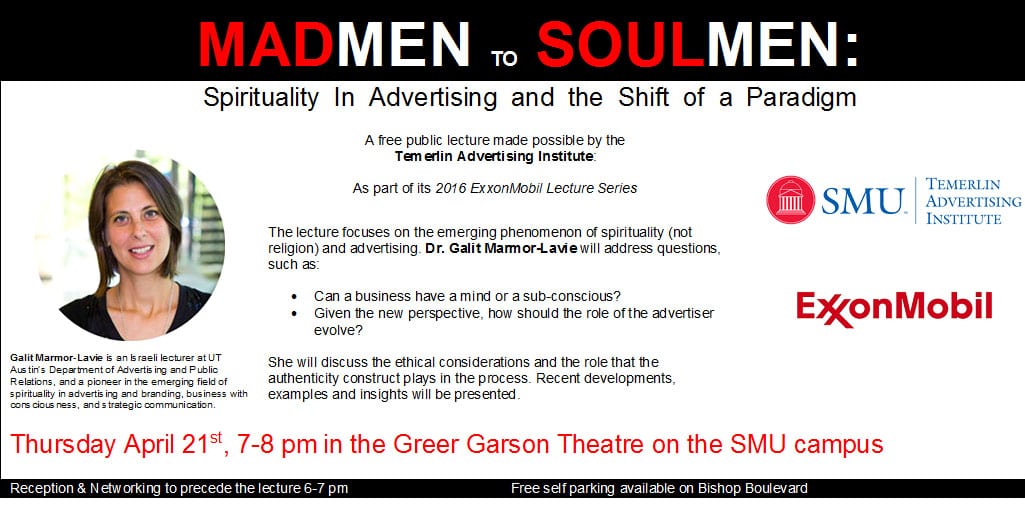

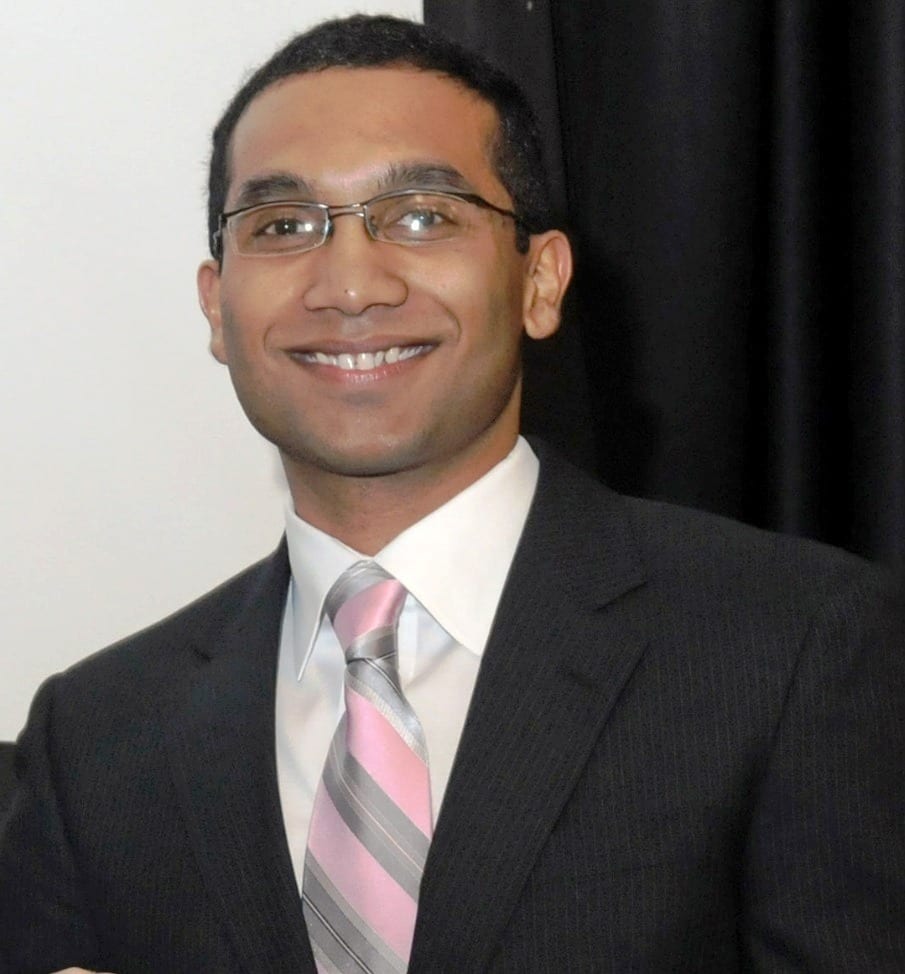


 Attendees included Visiting Professor Yuting Li, Head of the Advertising Department, Guangdong University of Finance & Economics, China as well as colleagues from across campus. Often the work is related to research, but can also involved creative works and industry endeavors. Our next brown bag will be in December. Keep your eye out for highlights from December’s presenter!



 By
By 

 My first day in New York was a scene right out of a movie. I managed to get myself to Target via subway, but had no idea how to get back home. The Uber driver who picked me up not only offered me his mixtape and a date the following weekend, but also dropped me off no where near where I needed to be. My phone died and my friends that I somehow managed to find accidentally put me on the wrong train home. When I finally made it back, I realized that between lugging my purchases from Target around town, and grabbing dinner, I had lost my ID to get into my room. I was feeling discouraged, but was hopeful for better days to come.
 As the summer moved forward, I became more acquainted with the city and the people that came with it. The one thing that I loved most about interning in NYC and being apart of MAIP was that I had 80 other friends who were experiencing the same things I was. We made each other laugh, cooked dinner when someone was too busy to feed themselves, and always made it a point to keep everyone motivated. As interns and fellows, we learned to work hard and save some time to play as well. We filled our free days with visits to Coney Island, stuffing our faces with delicious food at Smorgasburg, and appreciating all of the art that NYC had to offer.
