Two SMU psychology professors working with University of Maryland engineers have been awarded a National Institutes of Health grant in October that will bring nearly $2 million to their joint project to create a wearable device for pediatric asthma patients that helps them avoid asthma triggers.
The asthma device will monitor air quality (including pollen levels and temperature), carbon dioxide levels in the blood, physical activity, breathing, emotional states and other stimuli to identify each patient’s individual asthma triggers and alert them when conditions are ripe for an attack. The concept is similar to the glucose monitor that alerts diabetes patients when their blood sugar is low, but it also includes much more complex monitoring of the patients’ environment.
The device’s current iteration is a portable unit, but the Maryland team is miniaturizing it so that it can be worn as a vest.
SMU psychology professors Alicia E. Meuret and Thomas Ritz, have teamed up with University of Maryland Center for Advanced Sensor Technology professors Yordan Kostov, Xudong Ge and Govind Rao, which provides a natural extension of each team’s research.
“Most of my early research has been developing a treatment that addresses hyperventilation using portable CO2 measurement devices, and teaching patients who suffer from panic disorders to normalize their CO2 levels and stop hyperventilating,” said Meuret, an associate professor in SMU’s Department of Psychology. “The colleagues at University of Maryland contacted me because they wanted to use one of the refined devices as a therapeutic measure, and the partnership grew from there.”
One eventual goal for the academic partnership is for the device to provide Meuret’s treatment instructions to patients during an attack so they can more quickly recover.
How patients perceive asthma triggers and how they can better manage them has been Ritz’ major research interest. He says 25 percent to 30 percent of patients have asthma symptoms triggered by emotional stimuli, which can be demonstrated by experiments with mood induction.
“That percentage is clinically significant,” Ritz says. “It’s a large endeavor with researchers from across the United States working on it and exchanging experience to develop their projects further.”
While the Maryland team works on the hardware for the project — and other research teams across the country work on the software — SMU’s Ritz and Meuret are working on the psychology and the clinical testing of the device with patients. Starting in January, the pair will conduct tests where students wearing the sensors change their breathing systematically or watch mood-inducing stimuli, such as sad, frightening or joyful movie clips.
Other tests of the environmental sensors will be done with adolescent asthma patients’ daily life. This will generate the data that will make the device’s components eventually run smoothly.
The SMU allotment of the NIH grant’s funds is $540,737. The University of Maryland team also includes environmental engineering researchers Chris Hennigan and electrical engineering researchers Ryan Robucci and Nilanjan Banerjee. — Kenny Ryan
SMU is a nationally ranked private university in Dallas founded 100 years ago. Today, SMU enrolls nearly 11,000 students who benefit from the academic opportunities and international reach of seven degree-granting schools. For more information see www.smu.edu.
SMU has an uplink facility located on campus for live TV, radio, or online interviews. To speak with an SMU expert or book an SMU guest in the studio, call SMU News & Communications at 214-768-7650.
New study finds taking deep breaths doesn’t work; sufferers pairing biofeedback with shallow breaths increased carbon dioxide and improved long-term lung health
Asthma patients taught to habitually resist the urge to take deep breaths when experiencing symptoms were rewarded with fewer symptoms and healthier lung function, according to a new study from Southern Methodist University, Dallas.
The results suggest asthma patients using behavioral therapy in conjunction with their daily asthma medicine can improve their lung health over the long-term, said principal investigators Thomas Ritz and Alicia E. Meuret, both SMU clinical psychologists.
Also, sufferers may potentially reduce their dependence on emergency medication, such as rescue inhalers, the researchers said.
SMU clinical psychologist Dr. Alicia Meuret helps a patient learn shallow breathing with biofeedback to relieve symptoms of air hunger. (Photo: SMU)
Asthma can be a life-threatening disease if not managed properly, according to the American Lung Association. Nearly 26 million Americans have asthma, says ALA.
One of the most common chronic disorders in childhood, asthma is the third leading cause of hospitalization among children under 15, ALA says.
Asthma attacks typically provoke sufferers to gulp air and take deep breaths to relieve the frightening fear of asphyxiation, said Ritz and Meuret. In addition, asthma sufferers tend to breathe too much even when not experiencing symptoms.
Book a live interview
To book a live or taped interview with Thomas Ritz in the SMU News Broadcast Studio call SMU News at 214-768-7650 or email news@smu.edu.
Book a live interview
To book a live or taped interview with Alicia Meuret in the SMU News Broadcast Studio call SMU News at 214-768-7650 or email news@smu.edu.
But Ritz, Meuret and their co-authors found with their research that deep breathing is exactly the wrong thing to do.
For their study, one group of asthma patients used biofeedback to monitor their breathing for reassurance they were getting sufficient oxygen. The patients practiced shallower, shorter breaths to increase their intake of carbon dioxide, CO2. A second group also practiced slower breathing, but without biofeedback.
“This study goes to the heart of hyperventilation — which is deep, rapid breathing that causes a drop in CO2 gas in the blood. That makes a person feel dizzy and short of breath,” Ritz said. “Patients in our study increased CO2 and reduced their symptoms. And over a six-month period we saw in the biofeedback group an actual improvement in the physiology of their lungs.”
Shallow breathing method is counterintuitive
“When people hyperventilate, there is something very strange happening,” Meuret said. “In essence they are taking in too much air. But the sensation that they get is shortness of breath, choking, air hunger, as if they’re not getting enough air. It’s almost like a biological system error.”
Onlookers commonly give the advice, “Take a deep breath.” But that’s just the opposite of what a struggling breather should do.
“They don’t need any more oxygen,” Meuret said. “But consciously or not, people start to take deeper breaths — and that makes the symptoms worse.”
Among the study’s 120 patients who used the brief, four-week biofeedback therapy to boost their CO2, the researchers found that of 21 clinical indices of pathology more than 80 percent resulted in significant reductions. The researchers saw improvement in asthma symptoms and control, better lung function, reduced oversensitivity of the airways and less use of reliever medication, as well as improvement in physiology and the pathology of the airways.
Biofeedback method tested against tough scientific control group
The biological-behavioral treatment method, called Capnometry-Assisted Breathing Training, or CART for short, was developed by Meuret. Previous randomized controlled studies by Meuret found CART reduced symptoms of panic and hyperventilation in patients with panic and anxiety.
The handheld capnometer, equipped with a digital readout, enables patients via biofeedback to track changes in their CO2 when they alter their breathing during breathing training exercises and instruction sessions. Capnometers are medical devices that can only be purchased by a health care provider.
For the current SMU study, CART patients were compared to a randomized control group that also received a breathing treatment — specifically, slower breathing, or SLOW for short.
Patients in the SLOW group used the CART device also for their home exercises to validate they were breathing slower. The only difference between the CART and SLOW groups was that CART patients received biofeedback about their CO2.
“We tested CART against the toughest scientific control we could devise — another breathing treatment, where patients receive the same amount of attention from their therapist, use equipment to help them alter their breathing, are primed to pay attention to their own asthma management, and receive encouragement to take their medicine more regularly,” Ritz said.
CART and SLOW patients both improved, but CART benefits were long-lasting
Patients in the study were from the Dallas-Fort Worth area, all of them medically diagnosed with asthma. Each patient’s asthma diagnosis was independently validated at Baylor University Medical Center at Dallas by a methacholine airways stress test, a stringent diagnostic procedure to confirm patients met the criteria for asthma.
After four weeks of CART and SLOW training, asthma symptoms for both groups had improved, even when controlling for any change in medication intake.
However at follow up six months later, asthma symptoms for the SLOW control group had returned to higher levels.
“The follow-up period is often viewed as the moment of truth of how effective a treatment is,” said Meuret. “Once a patient doesn’t have to come to treatment, does the treatment continue to be beneficial? After four weeks, both treatments were beneficial, but CART was superior — and showed even greater improvements beyond that.”
CART patients also became less distressed about the methacholine test, indicating higher distress tolerance to their symptoms, Ritz said.
In addition, during treatment, the airways of CART patients widened during treatment in the lab, according to measurements taken by a forced oscillation technique. That was a positive development that allowed patients to breathe easier. Airways in the SLOW group actually narrowed a bit, said Ritz. Nevertheless, SLOW resulted in significant improvement also.
“The long-term goal of the CART research is to test whether we can achieve the same improvements with occasional intervals of capnometer feedback training, or ideally test whether shallow breathing in itself will achieve the same stable increases in CO2,” said the researchers.
CART not a relaxation technique
CART is not relaxation training. Quite the opposite.
“It’s actually very, very, very unrelaxing when patients start,” Meuret said.
For patients with low CO2 in particular, the process of breathing slow and shallow to increase the CO2 level — even just slightly — tends to trigger extreme air hunger.
“Only by reassuring themselves that the symptoms are caused by low CO2 and not low oxygen, they can keep on going,” Meuret said. “And that’s even more difficult for asthmatics than anxious patients who have a normal lung function.”
Patients initially want to take a deep breath, she said. “But I reassure them not to, telling them to ‘Look at the CART device, look at their oxygen, it’s at 100 percent, it can’t get any higher.’”
CART therapy can improve quality of life, reduce health dangers
“The goal is to reduce the need of the emergency medication,” Ritz said. “It’s a quality of life issue.”
Patients with asthma symptoms miss out on sports, limit their physical activity, or are kept out of school P.E. and other activities. They can also become depressed and anxious, and get over-sensitive to sensations.
“The more you can reduce these symptoms the more the person can take part in daily life like a normal person,” Ritz said.
Physiologically, symptoms are also an indicator the asthma patient may have more inflammation and constriction.
While there’s always the risk an attack may be fatal, Ritz said, lesser outcomes are serious also. It’s recommended to intervene in asthma early, ideally during childhood, because the airways become reshaped.
“The longer they’re inflamed, the thicker the tissue of the airways get and the narrower the airways and the less they can relax,” he said.
Other co-authors on the study were SMU psychologist David Rosenfield, graduate student Ashton M. Steele, and physician Mark W. Millard, Baylor University Medical Center Dallas. — Margaret Allen
SMU is a nationally ranked private university in Dallas founded 100 years ago. Today, SMU enrolls nearly 11,000 students who benefit from the academic opportunities and international reach of seven degree-granting schools. For more information see www.smu.edu.
SMU has an uplink facility located on campus for live TV, radio, or online interviews. To speak with an SMU expert or book an SMU guest in the studio, call SMU News & Communications at 214-768-7650.
We need fear to survive, as a protective and necessary mechanism, but excessive anxiety and fear can interfere with our lives — Meuret
KERA public radio 90.1 hosted SMU psychologist Alicia Meuret on Krys Boyd‘s “Think” program Oct. 6. Meuret, Boyd and Madhukar Trivedi, chair of the University of Texas-Southwestern’s Mental Health Department, discussed “How fear serves us and when it can lead us astray,” particularly in the wake of the much-discussed Ebola case in Dallas.
Meuret is director of the Anxiety and Depression Research Center at SMU and discussed the differences between fear and anxiety and when each is helpful and adaptive and when they are harmful and interfere with our lives.
Book a live interview
To book a live or taped interview with Alicia Meuret in the SMU News Broadcast Studio call SMU News at 214-768-7650 or email news@smu.edu.
The program, “The Psychology of Fear,” featured discussions on whether fear is contagious, alternatives to managing thoughts that fuel anxiety, and actual thrill-seeking behavior in which we seek out exciting experiences.
Meuret is an associate professor in the Clinical Psychology Division at the SMU Department of Psychology. Meuret received her Ph.D. in Clinical Psychology from the University of Hamburg based on her doctoral work conducted at the Department of Psychiatry and Behavioral Sciences at Stanford University. She completed postdoctoral fellowships at the Center for Anxiety and Related Disorders at Boston University and the Affective Neuroscience Laboratory in the Department of Psychology at Harvard University.
Her research program focuses on novel treatment approaches for anxiety and mood disorders, biomarkers in anxiety disorders and chronic disease, fear extinction mechanisms of exposure therapy, and mediators and moderators in individuals with affective dysregulations, including non-suicidal self-injury.
SMU is a nationally ranked private university in Dallas founded 100 years ago. Today, SMU enrolls nearly 11,000 students who benefit from the academic opportunities and international reach of seven degree-granting schools. For more information see www.smu.edu.
SMU has an uplink facility located on campus for live TV, radio, or online interviews. To speak with an SMU expert or book an SMU guest in the studio, call SMU News & Communications at 214-768-7650.
Health journalist Corrie Pikul wrote about the groundbreaking panic and anxiety research of SMU psychologists Dr. Alicia Meuret and Dr. Thomas Ritz in a Jan. 7 post on Oprah.com.
The article, “Stress Myths—Debunked!,” cites the startling findings of Meuret’s anxiety research, which has found that the standard advice to “take a deep breath” actually makes such situations worse.
By Corrie Pikul
Oprah.com
[ … ] “Taking deep, slow breaths can help you calm down when you’re feeling panicked and overwhelmed.”
It makes sense that when you’re short of breath, you should try to compensate with a little extra oxygen, right? The problem is that when you are experiencing an intensely trying situation—waiting to hear the results of a serious medical test, during severe turbulence on an airplane, or when you slice your thumb with a bread knife just as your brunch guests pull into the driveway—you’re probably already taking in too much oxygen and could be at risk of hyperventilating, says Alicia Esperanza Meuret, PhD, associate professor of psychology at Southern Methodist University in Dallas. In her research on patients who suffer from panic disorders and asthma, Meuret has found that a more effective way to calm down is to take shallow, regular and slow breaths through the nose (not the mouth, which makes it too easy to suck more air than you actually need). “Imagine a beach where the water is sliding in and out in time with your breath,” she says. This may feel slightly uncomfortable at first, as you battle the impulse to fill your lungs, but Meuret says you should start to feel more relaxed after practicing a few times.
SMU is a nationally ranked private university in Dallas founded 100 years ago. Today, SMU enrolls nearly 11,000 students who benefit from the academic opportunities and international reach of seven degree-granting schools. For more information see www.smu.edu.
SMU has an uplink facility located on campus for live TV, radio, or online interviews. To speak with an SMU expert or book an SMU guest in the studio, call SMU News & Communications at 214-768-7650.
Health journalist Markham Heid wrote about the groundbreaking panic and anxiety research of SMU psychologists Dr. Alicia Meuret and Dr. Thomas Ritz in the June 2012 issue of Prevention magazine.
The article “Anxiety Is Draining Your Brain, But It Doesn’t Have To” cites the startling findings of Meuret’s anxiety research, which has found that the standard advice to “take a deep breath” actually makes such situations worse.
How’s this for unfair: Women are twice as likely to suffer from anxiety disorders than men are, according to the Anxiety and Depression Association of America. And to top it off, new research finds that those frequent bouts of worrying may be making it hard for your brain to complete even the simplest of tasks.
It’s no secret that feeling anxious isn’t exactly enjoyable, but Michigan State University researchers wanted to find out exactly what goes on inside an anxious brain. They asked 149 men and women who suffer from anxiety to complete a series of puzzles, while tracking the electrical activity in their brains.
The results: Although men and women performed equally well on the simple puzzles, women’s brains were much more active. Later, when the puzzles became more difficult, the women performed worse than their male counterparts.
Why? The researchers speculate that the energy used up on simple tasks robbed the anxious women of the brainpower needed to complete more difficult tasks. In other words, although your brain is technically an organ, it mimics a muscle in that it can be worn down by too much work. And, like carrying around an extra 10-pound weight, anxiety makes everything your brain does more difficult.
But not to worry; you can learn to get a handle on your anxiety with a few easy tips:
Control your breathing. Although you’ve probably been told to breathe deeply when trying to calm down, the opposite is actually true, says Alicia Meuret, PhD, a psychologist and anxiety specialist at Southern Methodist University. “Deep breaths worsen hyperventilation and anxiety-associated symptoms such as shortness of breath and a racing heart,” she says. So how should you breathe? Slowly and shallowly, Dr. Meuret recommends. Try to take in as little air as possible, keeping in the oxygen for a second or two before exhaling, she advises. This will keep your body’s supply of circulating carbon dioxide at its proper level, which will calm you down, she says. […]
SMU is a nationally ranked private university in Dallas founded 100 years ago. Today, SMU enrolls nearly 11,000 students who benefit from the academic opportunities and international reach of seven degree-granting schools. For more information see www.smu.edu.
SMU has an uplink facility located on campus for live TV, radio, or online interviews. To speak with an SMU expert or book an SMU guest in the studio, call SMU News & Communications at 214-768-7650.


 Top Quark: New precise particle measurement improves subatomic tool for probing mysteries of universe
 New fossils intensify mystery of short-lived, toothy mammals unique to ancient North Pacific
 Drugs behave as predicted in computer model of key protein, enabling cancer drug discovery
 Researchers discover new drug-like compounds that may improve odds for men battling prostate cancer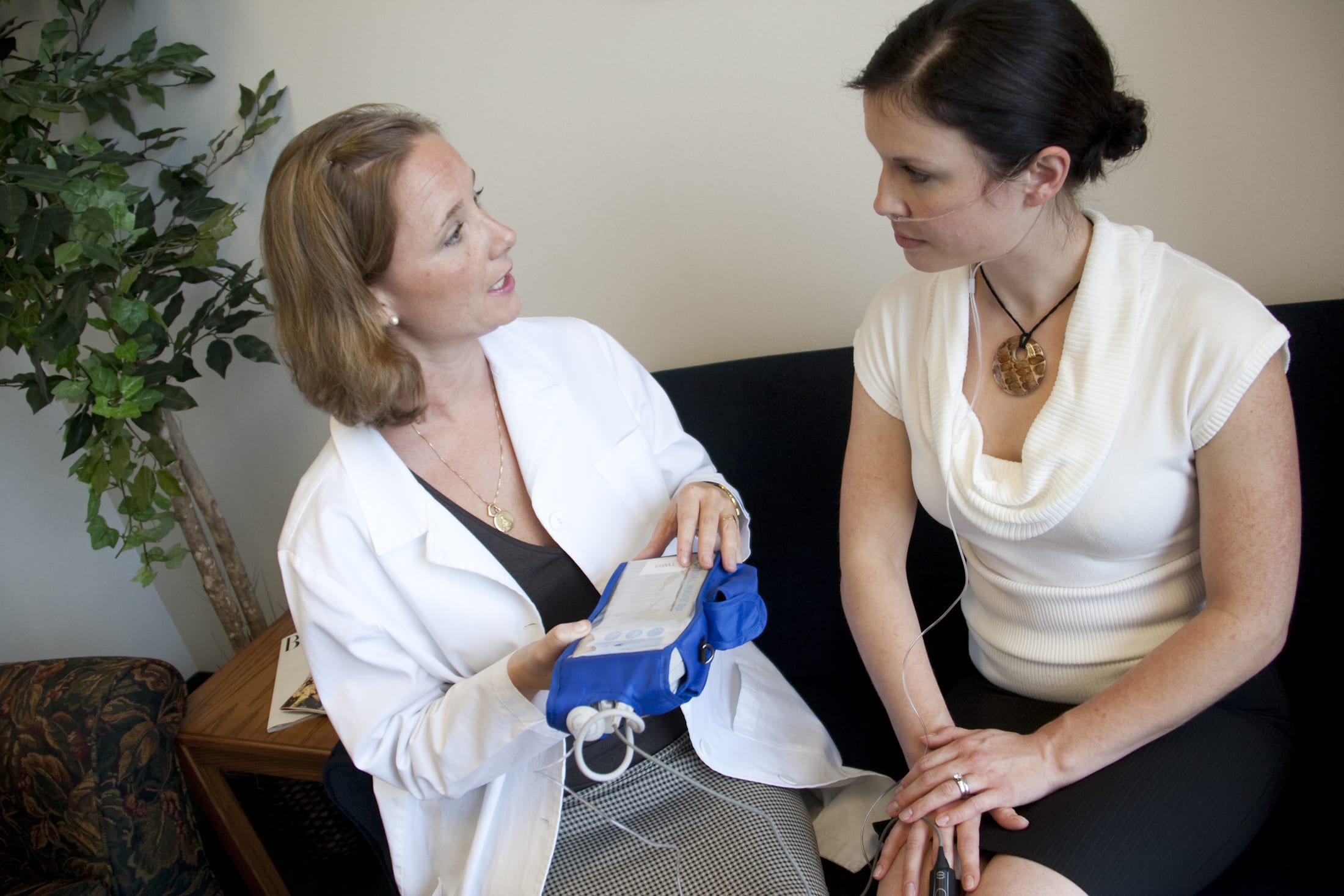







 Department of Defense awards $2.6 million to SMU STEM program for minority students
 Low IQ students learn to read at 1st-grade level after persistent, intensive instruction
 Richest marine reptile fossil bed along Africa’s South Atlantic coast is dated at 71.5 mya
 Satellite view of volcanoes finds the link between ground deformation and eruption
 Comet theory false; doesn’t explain cold snap at the end of the Ice Age, Clovis changes or mass animal extinction
 Real-time audio of corporal punishment shows kids misbehave within 10 minutes of spanking
 Human diabetes has new research tool: Overfed fruit flies that develop insulin resistance
 Ancient tree-ring records from southwest U.S. suggest today’s megafires are truly unusual
 Middle school boys who are reluctant readers value reading more after using e-readers
 Dark matter search may turn up evidence of WIMPS: SMU Researcher Q&A
 Public health insurance provides insured infants better, less costly care than private plans